

Your yard offers the first clues: how you use it, where light falls, and where water moves. NOAA's monthly climate normals for Gainesville Regional Airport list 5.05 inches of precipitation for September. That station normal is context, not a forecast for your property.
1. Record what the property is telling you
Walk the areas you may want to change. Note sunny and shaded spots, healthy plants, areas that stay damp or dry, the routes people take, and features you hope to keep. A quick sketch and a few photos can help you explain those conditions without arriving with a finished design.
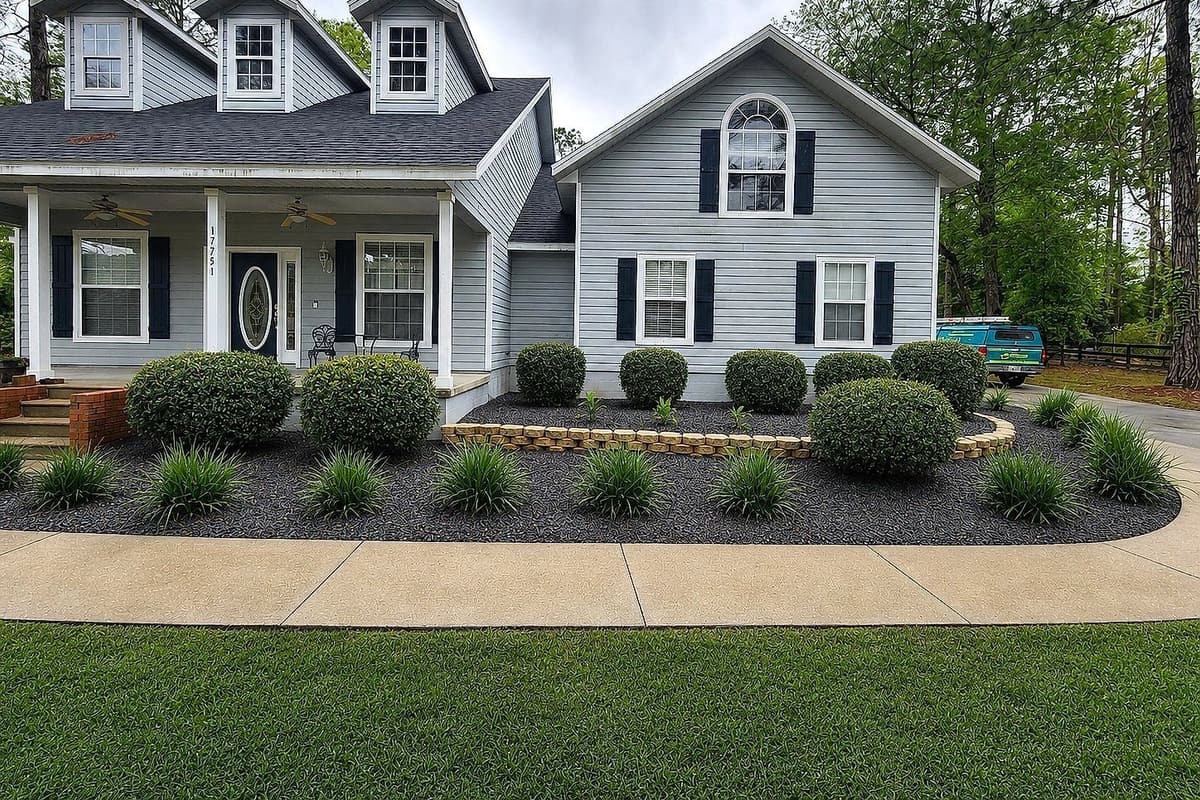
UF/IFAS describes a five-step landscape design process that begins with a site inventory and analysis, then considers needs, functional diagrams, a concept plan, and a final design. Its landscape design guide recommends considering soil, drainage, climate, and existing vegetation before plant selection and placement.
2. Match the plan to how you use the yard
Decide what each area should do before choosing a shape or material. You may want a more welcoming entry, a defined planting bed, an open lawn area, or a clearer connection between parts of the yard. Separate immediate needs from preferences and later possibilities. That gives the project a useful order without requiring every idea to happen at once.
3. Match planting to the actual location
A plant that suits one corner may not suit another with different light or soil. Existing healthy plants can offer clues, but check the conditions in each bed instead of assuming every part of the yard has the same soil and light.
UF/IFAS's Florida-Friendly Landscaping pattern book for North Central Florida offers sample layouts and suggested plants for the region. Use those examples as starting points, not a ready-made prescription for a particular property.
4. Trace the water after rain
Notice where water collects, how it crosses the lawn, and whether it reaches a low spot or a proposed bed. Include those observations in the plan before settling on a footprint or plant locations.
UF/IFAS recommends looking at existing drainage patterns and describes landscape stormwater options such as swales, French drains, dry creek beds, berms, and low retention areas in its sustainable home landscape guidance. Which approach, if any, fits depends on the site. Not every landscape project needs a drain.
5. Decide what can happen in phases
A larger vision can be discussed even if the first phase is modest. Identify the change that matters most, then note nearby work that may share the same area. Discuss the order of any sod, planting, or grading under consideration so the scope reflects your priorities.
A short site-inventory checklist
Before a design conversation, jot down:
- The areas you use and the places you want to change.
- Sun, shade, healthy existing plants, and spots where rainwater gathers.
- Features you want to keep accessible.
- Must-haves, preferences, and ideas that can wait.
- Photos or examples of the look you prefer.
The Landscape Design & Install services include plant and sod installation, drainage and grading, and French drains. These are possible parts of a project, not work that each property needs. Homeowners in High Springs and nearby communities, including Alachua, Newberry, Gainesville, and Fort White, can contact Premier Lawn Care to discuss priorities.
A few quick questions
Does a Gainesville climate normal predict rain at my home? No. It summarizes long-term conditions at a station and is not a property-specific forecast.
Do I need to select plants first? No. Site observations and preferences can guide the plant conversation.
Does standing water mean I need a drain? No. Share what you see and ask which options fit the property; the answer depends on the site.